Start with the space
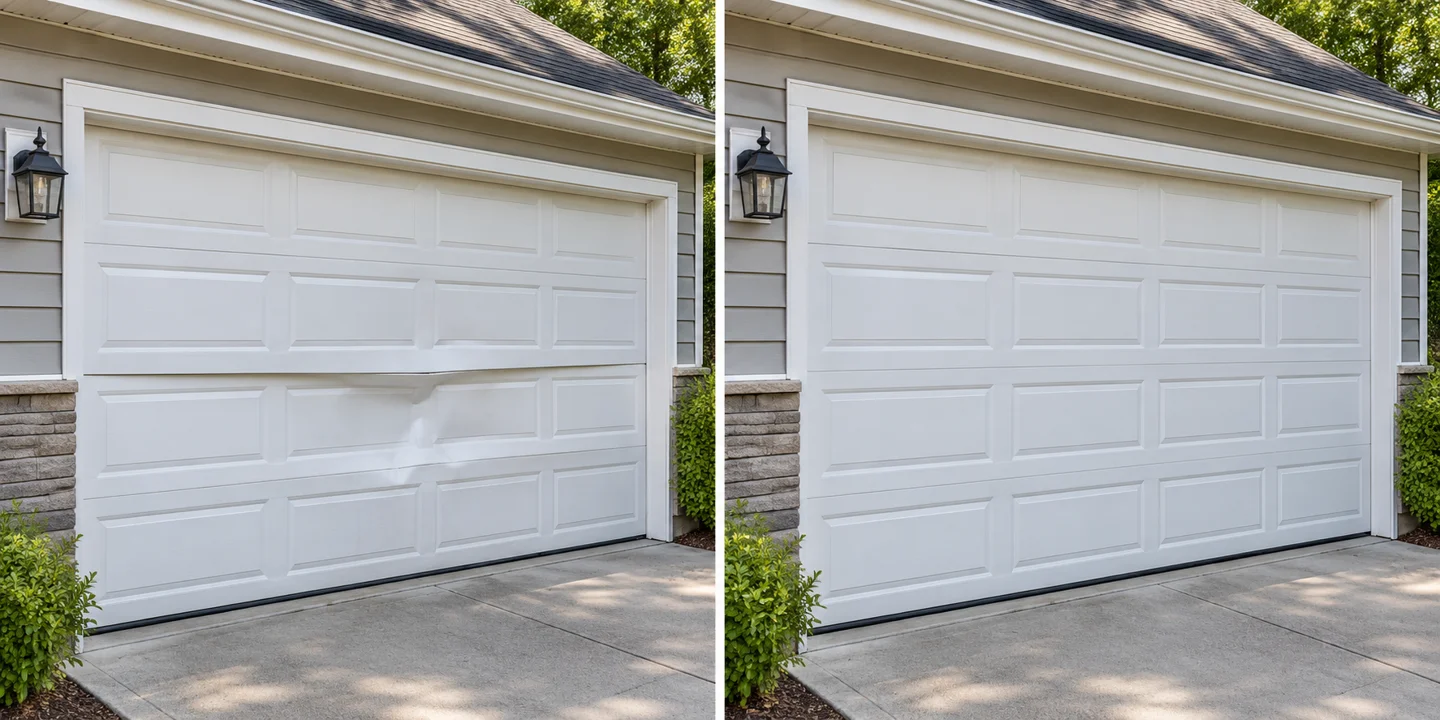
An attached garage beside occupied rooms has a different use from an open storage bay. Explain whether the space is heated, how often the door opens and whether comfort, sound or panel construction is the main concern. A new door cannot by itself resolve every air leak or moisture issue in the building.
Compare the complete construction
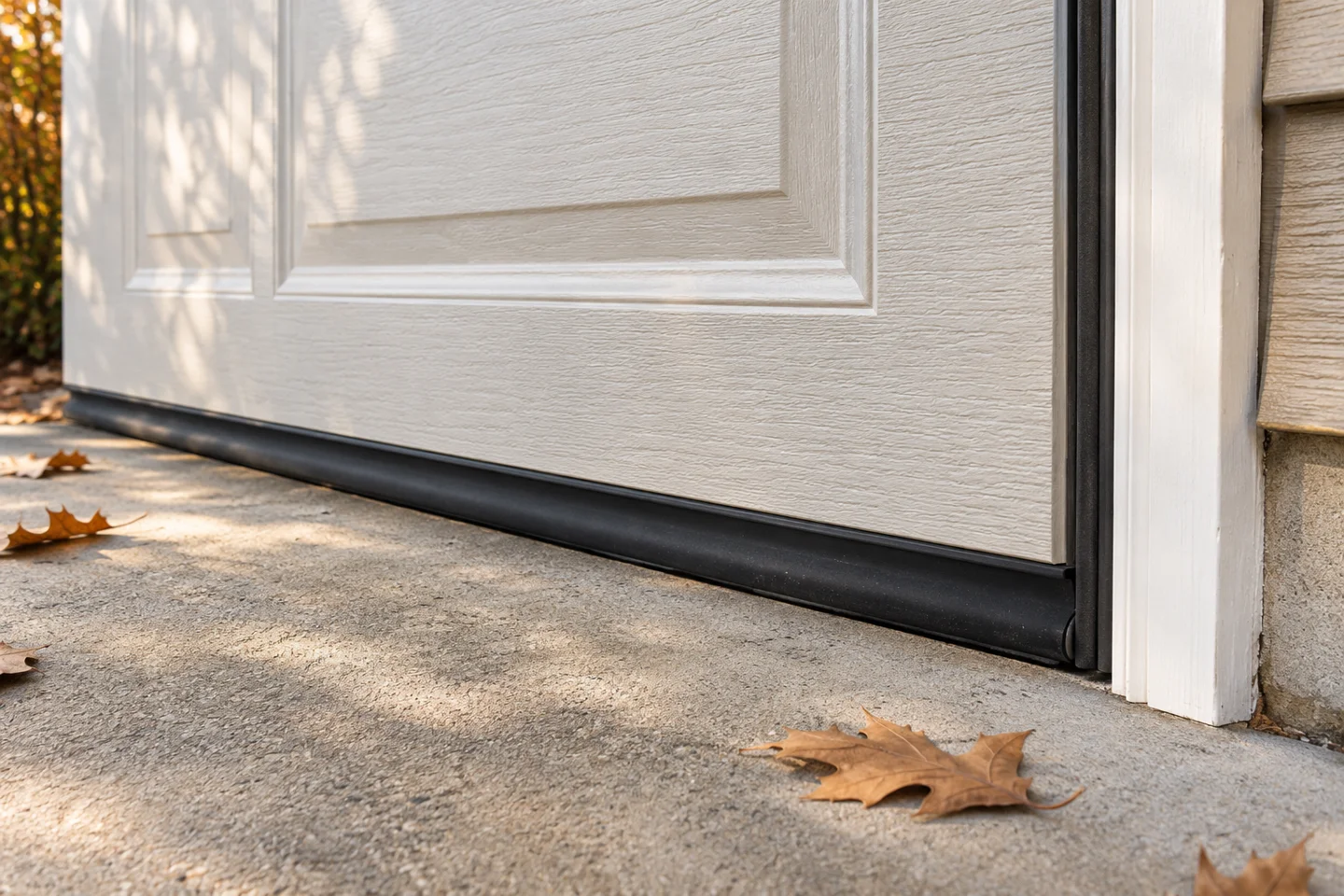
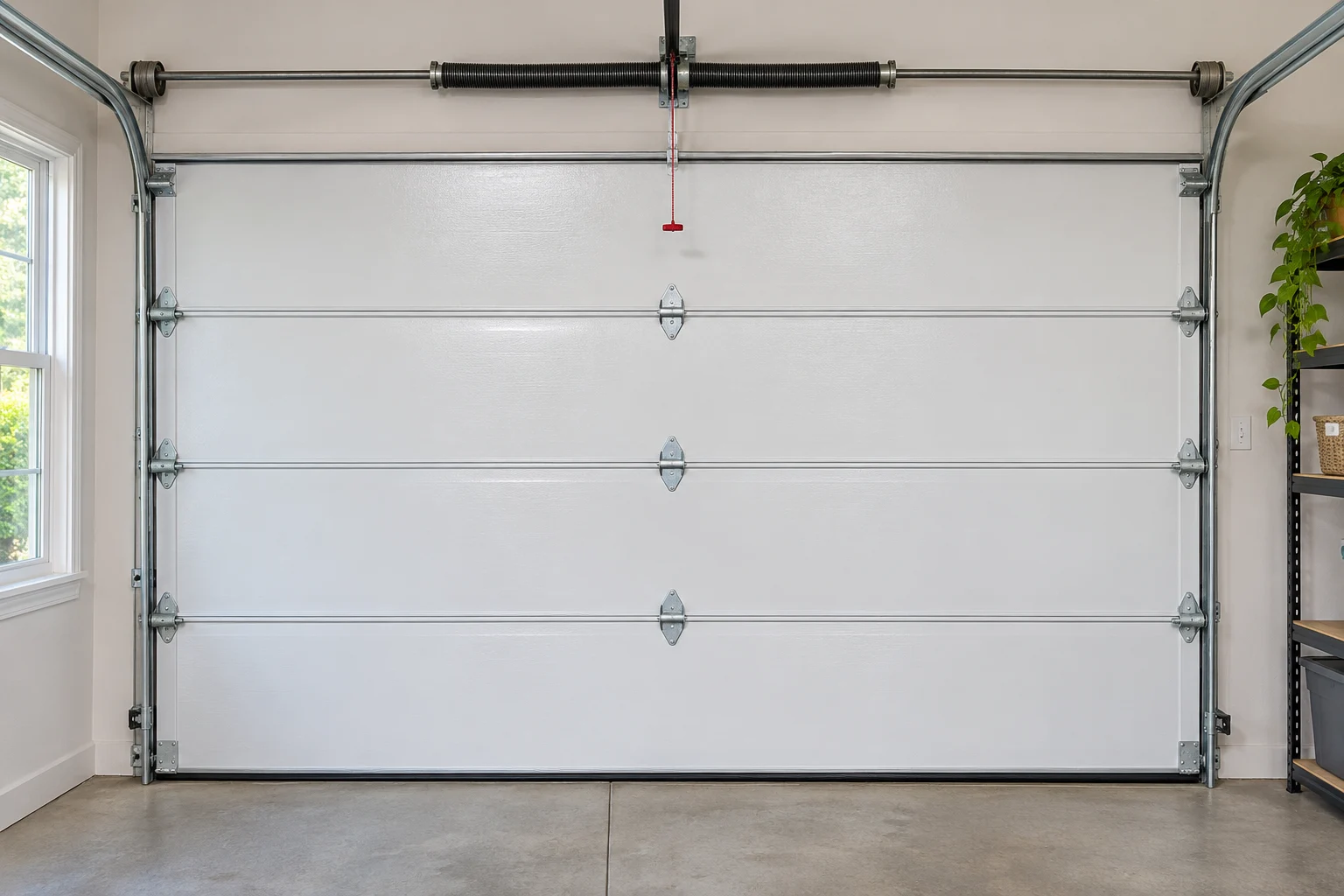
Ask how a quoted insulation value relates to the specific door product and assembly. Windows, panel construction and edge details can affect the comparison. The condition of perimeter seals and the bottom contact is important too. An insulated panel does not eliminate gaps around an uneven opening.
Added material changes the door
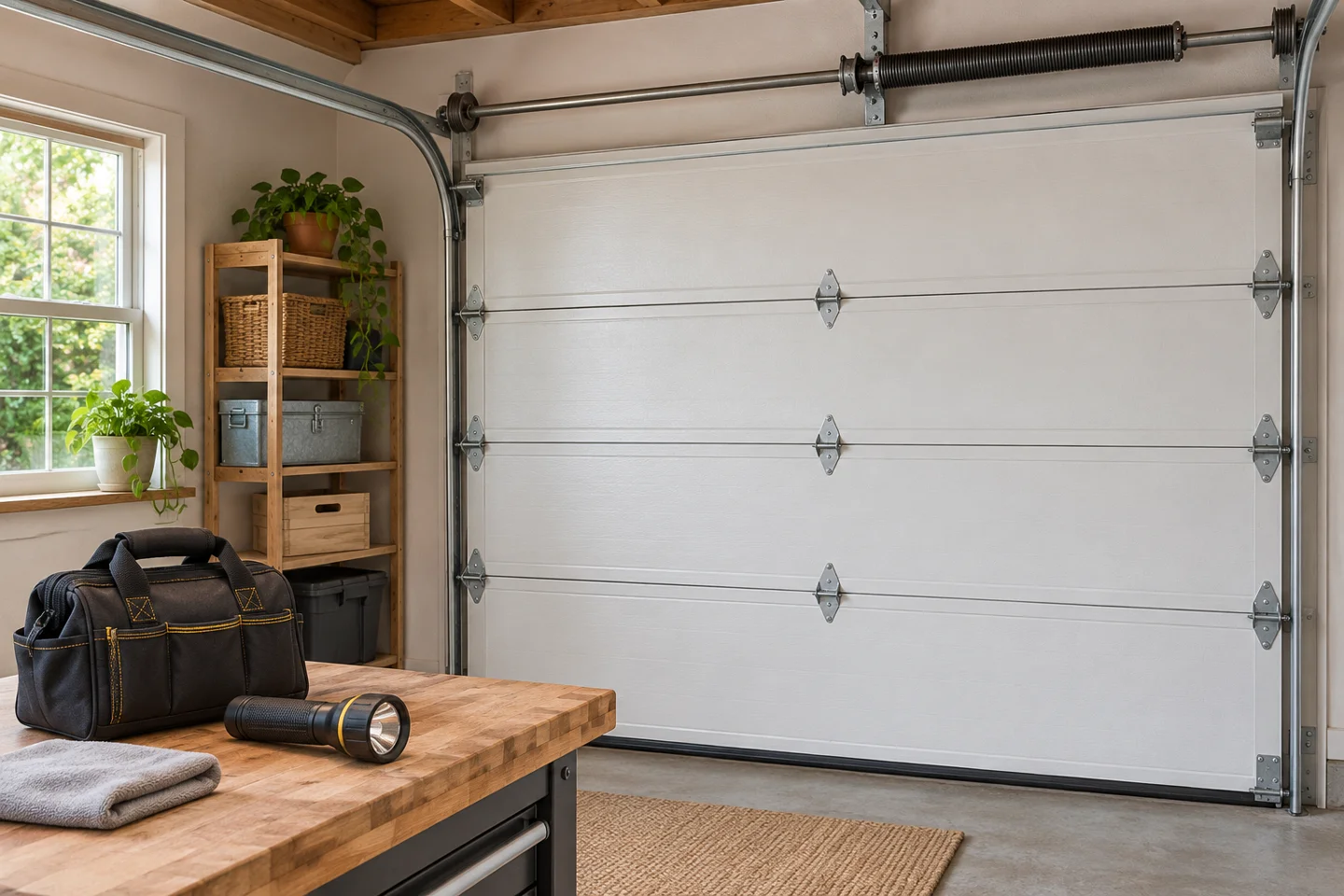
Attaching insulation to an existing door changes its load and may affect the balance and hardware requirements. Do not assume an aftermarket kit is suitable because it fits between the panels. Discuss the actual door and manufacturer guidance before altering it, especially if the door is heavy, noisy or already showing uneven movement.
Bring the decision back to fit
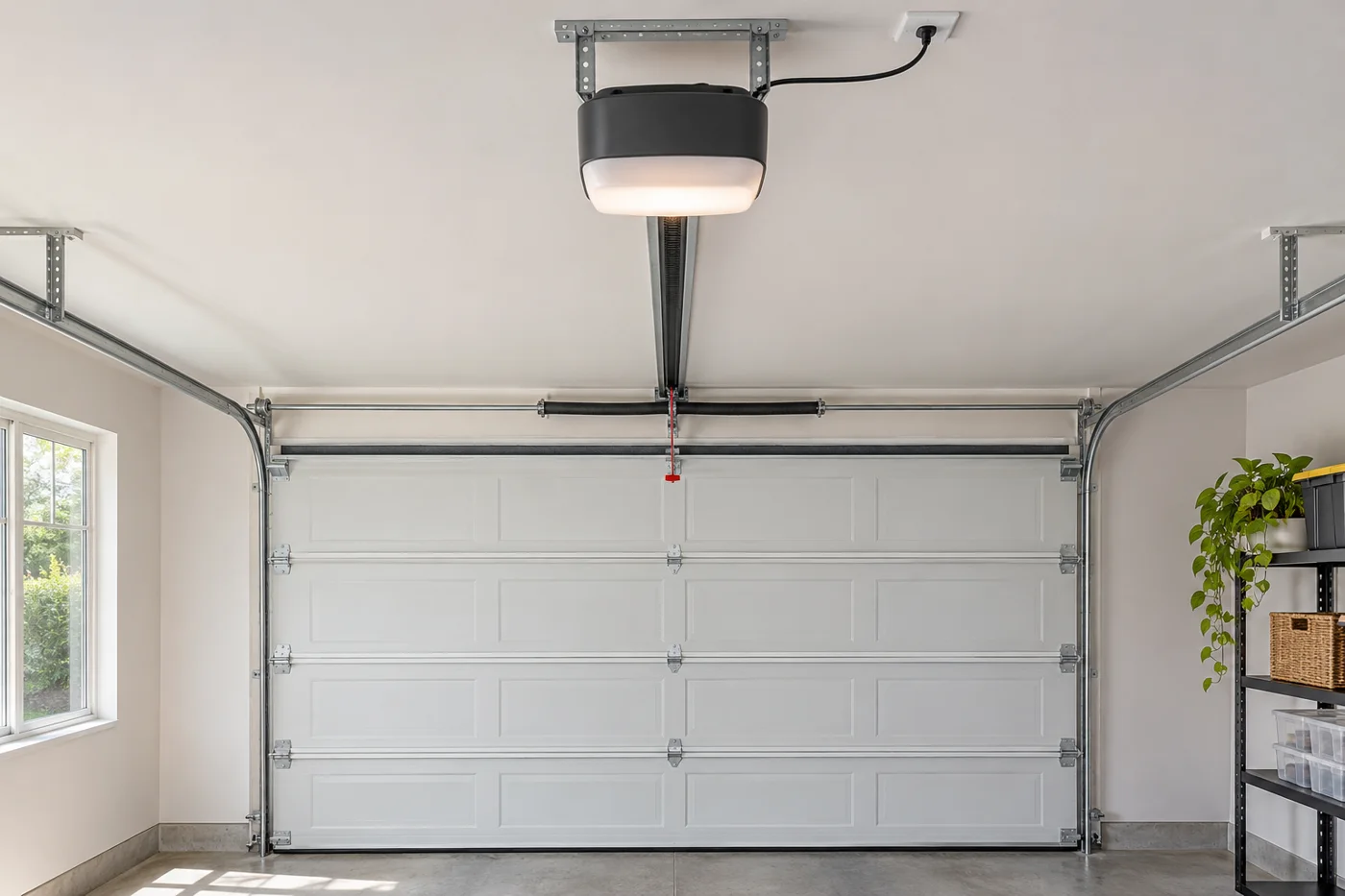
When comparing a new door, include the opening dimensions, headroom, operator compatibility and the use of the room. Tell us where drafts or moisture appear and whether the door is attached to living space. Call to discuss insulation and new-door options for the property.
For your local garage
South Jersey garages see humid summers, leaf debris in autumn and occasional freezing conditions at the threshold. A door that changes behavior only after rain, morning sun or a weather swing needs that history explained clearly. Moisture at the opening, electrical symptoms and physical damage should be discussed separately rather than treated as one problem.
Across the covered Camden and Burlington County towns, attached two-car garages sit alongside smaller single openings. Storage, driveway parking and the route into the house can shape access and the work sequence. Describe the actual opening rather than relying on the style of the home.