
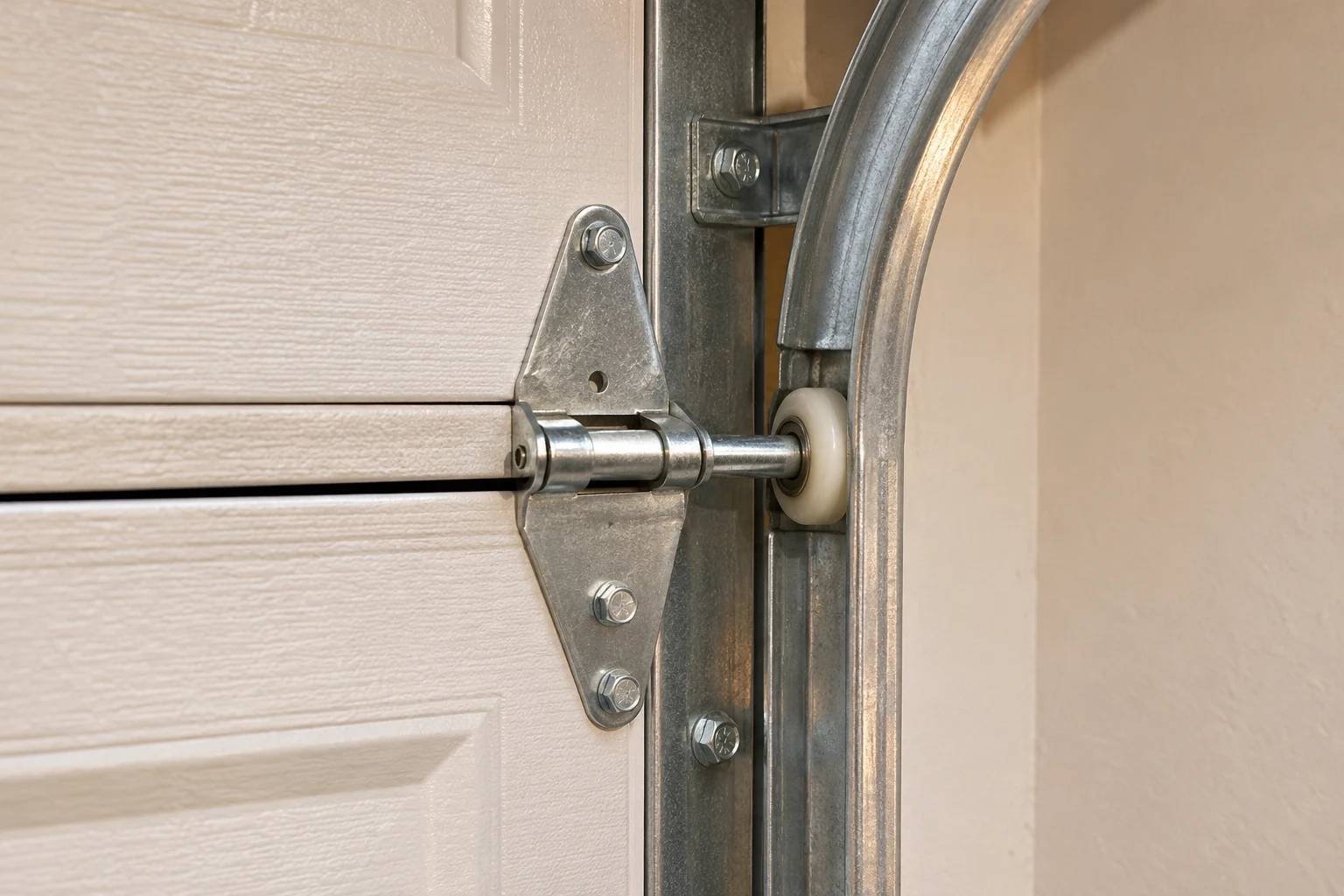
Need service? Explore the related service or call to discuss your garage.
Track the pattern instead of guessing the cause
Humid weather, leaves at the opening or a cold morning may coincide with a garage door symptom. Write down what changed and where in the cycle it happens. A weather pattern is useful information, but it does not prove a failed sensor, motor or seal.
Stop use when the door is leaning, a cable is loose or movement becomes suddenly heavy. Do not make the next cycle a test. Keep the opening clear and explain the current condition when calling.
A useful observation list
Keep the first check to things you can see safely from the floor. Describe a new sound, damaged perimeter material or changed control response. Maintenance instructions and appropriate products depend on the exact door and operator.
| Notice | Describe on the call |
|---|---|
| New sound | When it happens, not a guessed part |
| Closing reversal | Position and which controls are affected |
| Threshold moisture | Where water is seen and any operating change |
| Recent event | Impact, power interruption or equipment change |
Know when upkeep becomes repair
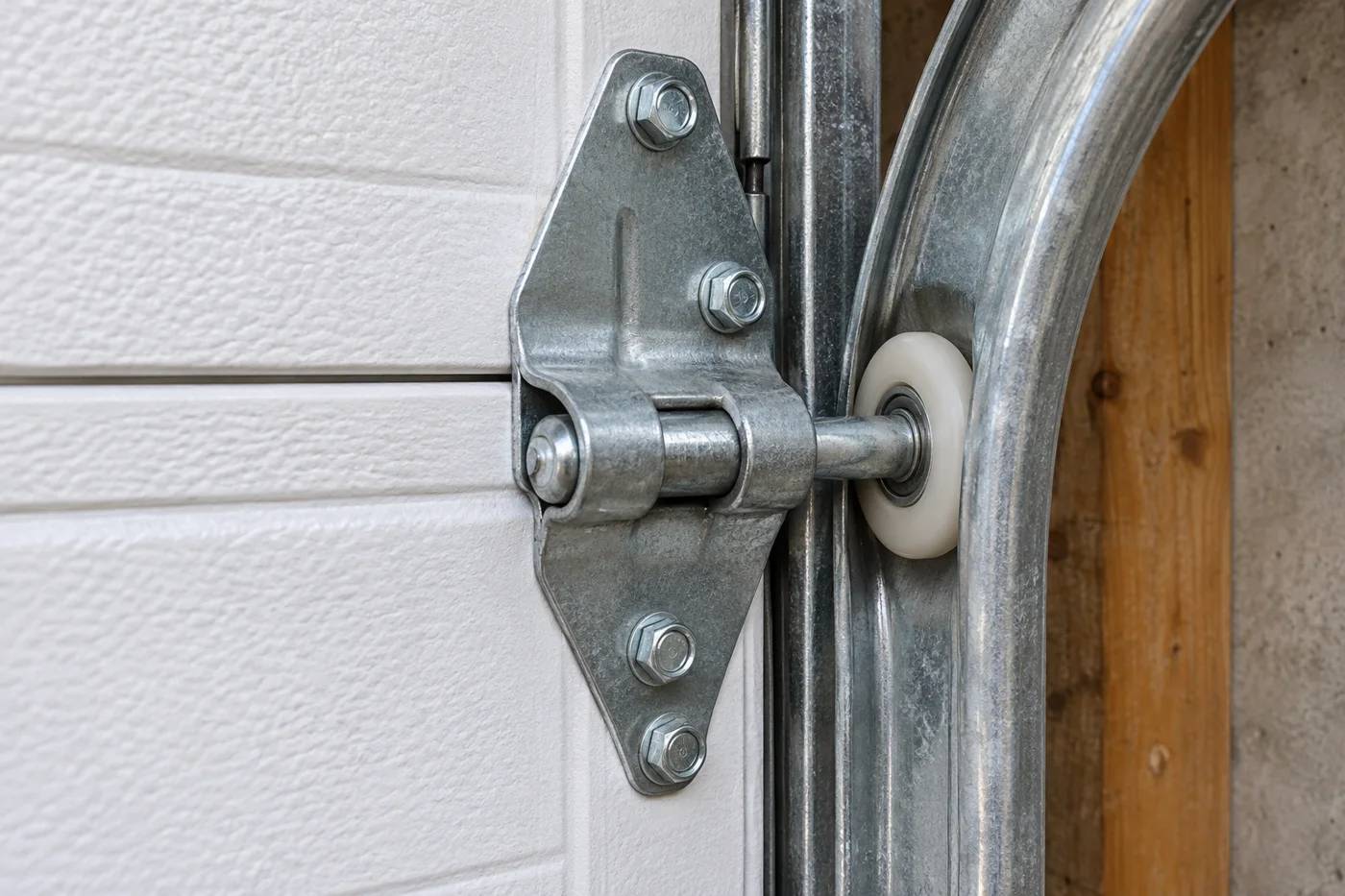
Lubrication cannot fix loaded hardware that has failed, and tightening fixtures is not a universal maintenance step. Do not adjust springs, drums, cables or bottom brackets. A component can remain under force while the door appears still.
Ask which findings belong to routine care and which require repair assessment. Tracks, rollers, panels, seals and the operator each serve different functions. A single product or adjustment should not be presented as the answer to every symptom.
Consider changes since the last visit
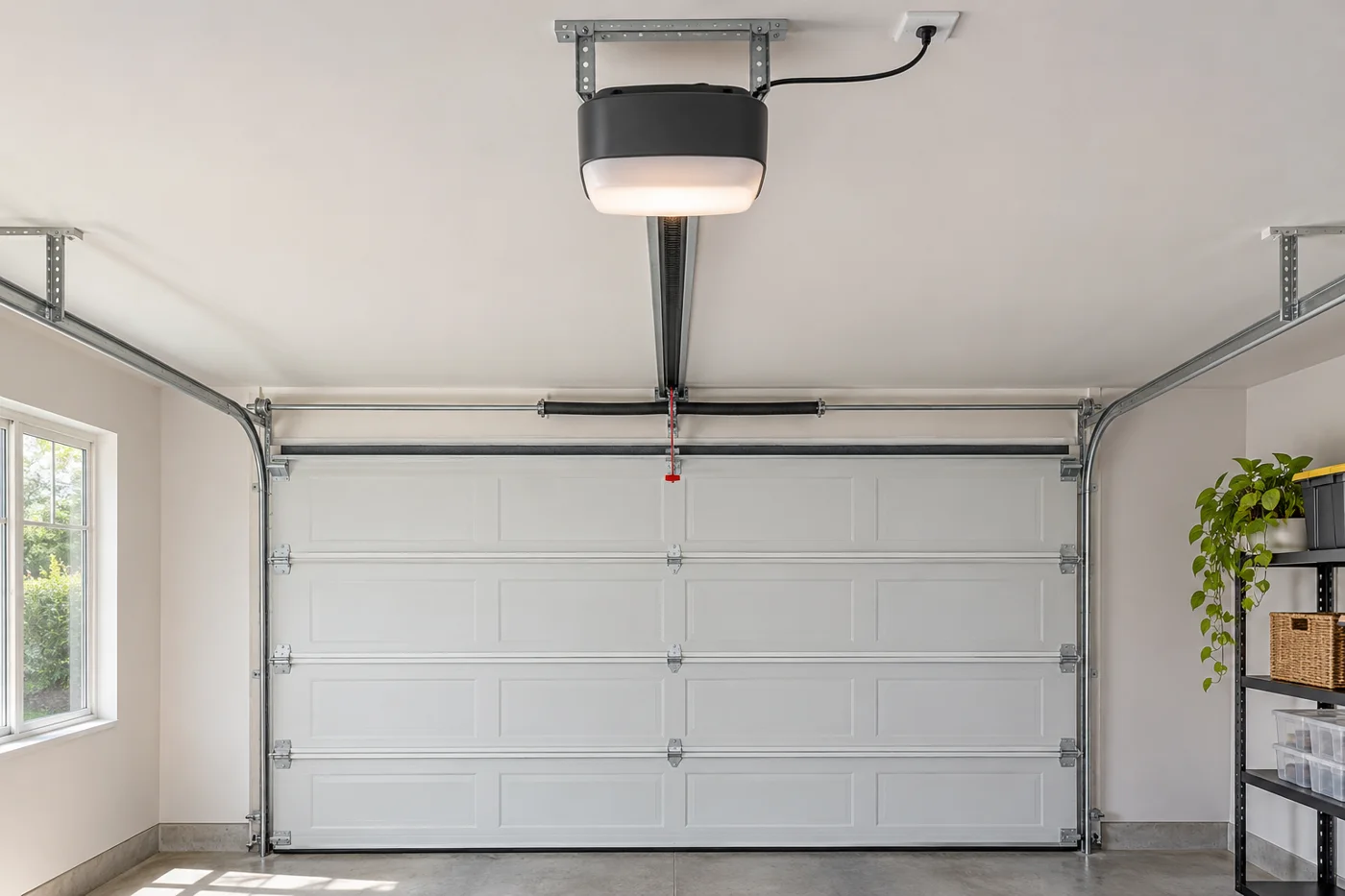
New storage near the tracks, a different operator or a change in daily use can be relevant to maintenance. Tell us about those changes along with the symptom. An attached garage used throughout the day and a separate storage bay may not have the same routine, even when their panels look similar.
Ask for the findings to be explained by component rather than as one general statement that the door was serviced. Understand which owner observations are appropriate and which tasks should remain with a trained door-systems technician. Keep the equipment documents accessible for the next conversation.
Make the plan fit the garage
An attached garage used many times each day has a different routine from a storage opening. Tell us about that use, overhead items and any room beside the garage. Keep the service history and equipment instructions together.
Call with the observation list and the model information you can read safely. Discuss what the visit will assess and confirm scheduling by phone. If insulation or a new door is the main question, separate that planning discussion from an unresolved operating fault.
Further reading
Follow the instructions for your exact door and operator. This guide supports recognition and planning; work on loaded lifting hardware belongs with a trained door-systems technician.
DASMA: Garage door system safety ↗U.S. CPSC: Automatic garage door opener safety ↗