
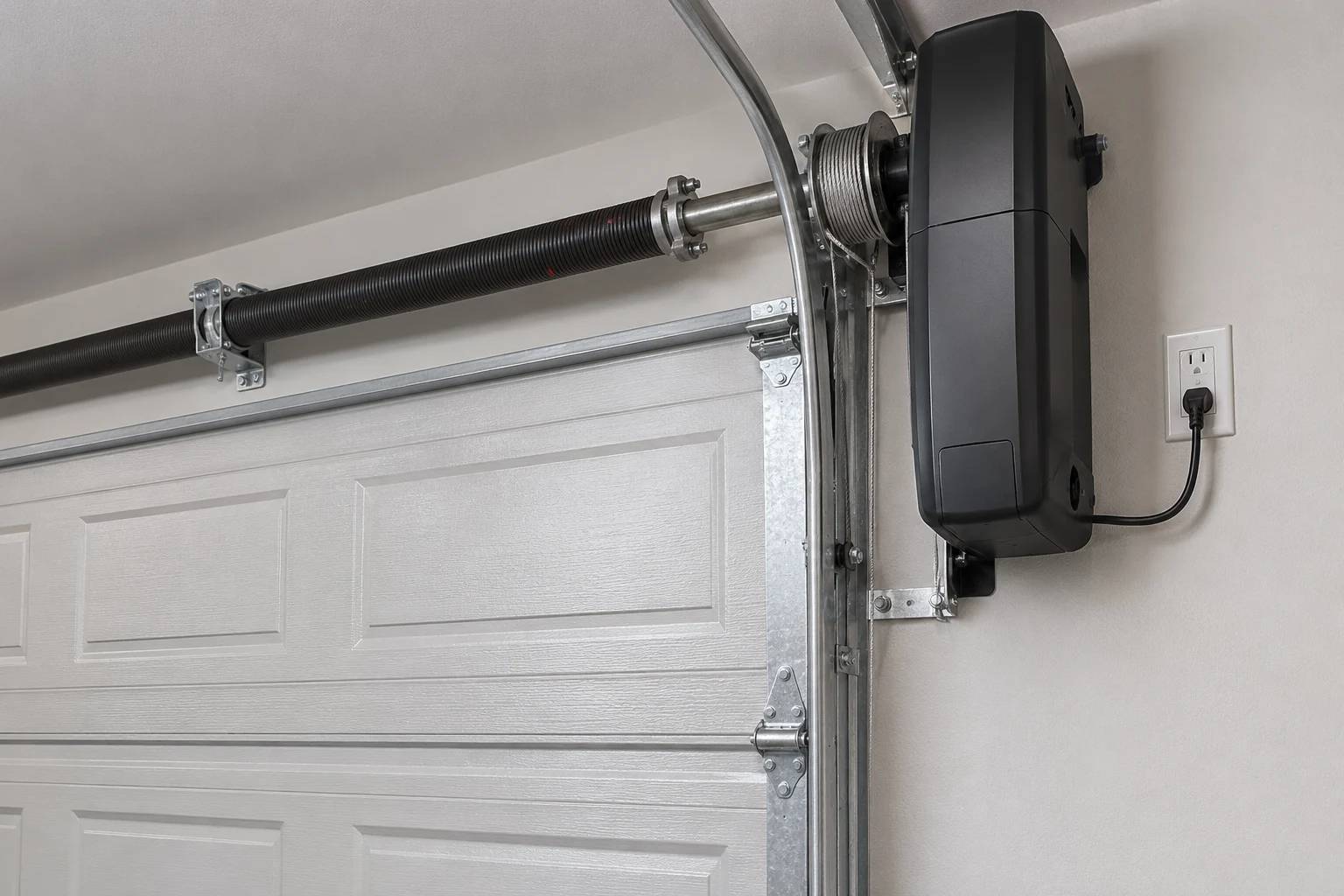
Need service? Explore the related service or call to discuss your garage.
Work out whether the operator is the right question
A failed remote does not automatically require a new motor. Tell us which controls still work, whether the motor runs and where the door stops. Read the exact model if it is accessible safely from the floor. These observations help distinguish a control concern from a broader assembly problem.
If the door is heavy, uneven or visibly damaged, raise that before selecting a new operator. A more powerful unit should not be used to compensate for failed lifting hardware or poor balance.
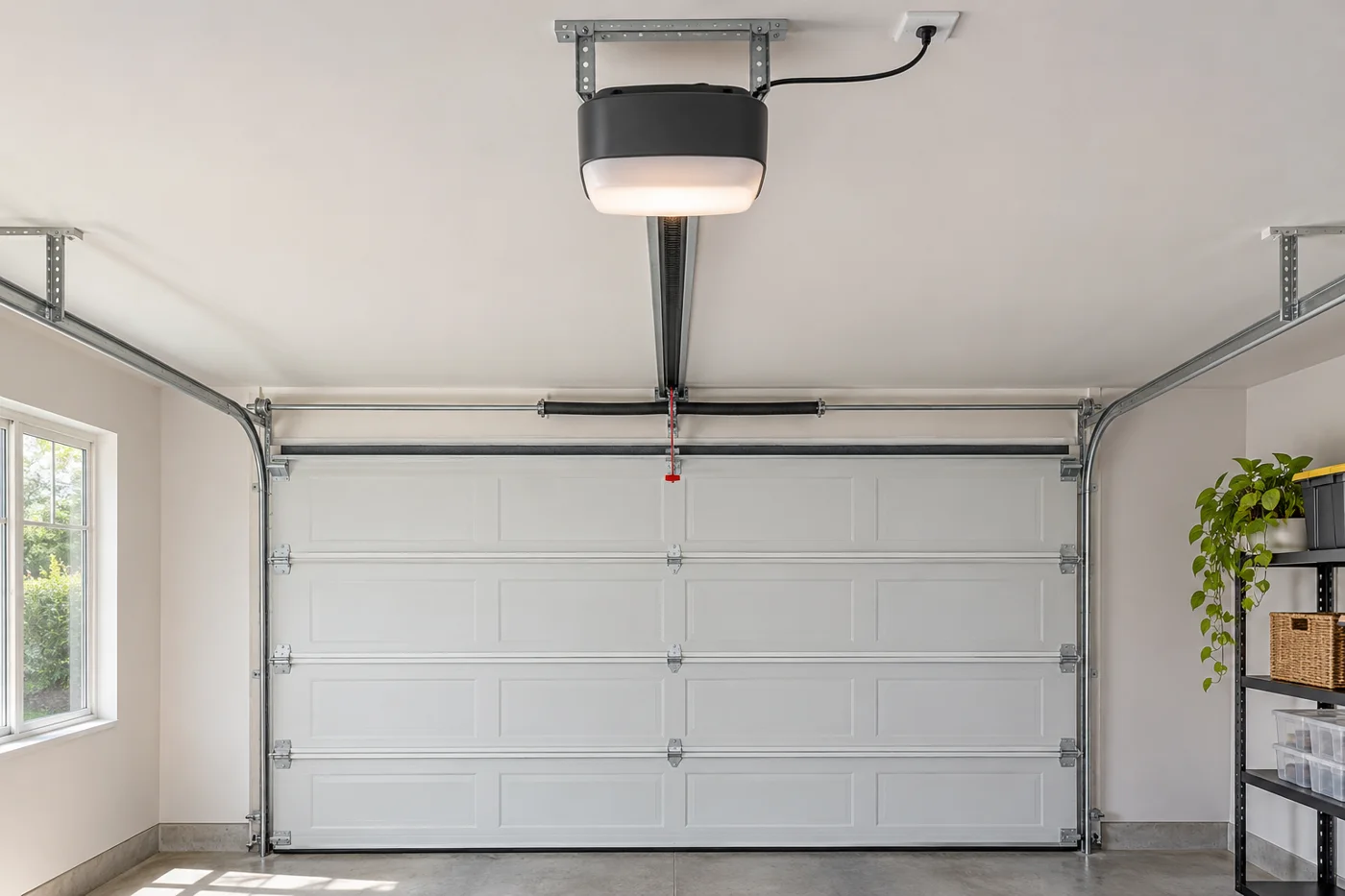
Consider the household routine
A keypad, several remotes and smartphone operation serve different routines. List the controls your household will use and ask which are included with the exact product. If connectivity matters, clarify setup, account and compatibility requirements rather than assuming every unit supports the same features.
Privacy matters when access controls are configured. Keep account credentials and entry codes private. Retain the instructions for future changes so a new phone or remote does not turn into an unexplained access problem.
Check the physical fit
An operator needs space appropriate to its arrangement and the door. Ceiling depth, headroom, storage and power access affect the plan. A unit installed in a product photograph may not suit the actual opening in Marlton, Berlin or another covered town.
If a new power connection or building change is needed, clarify that separately. The service proposal should identify what is included without silently assuming unrelated electrical or structural work.
| Bring to the call | What it helps establish |
|---|---|
| Current model and symptoms | Repair versus replacement discussion |
| Ceiling and storage constraints | Installation arrangement |
| Desired remotes/keypad/connectivity | Exact product and included controls |
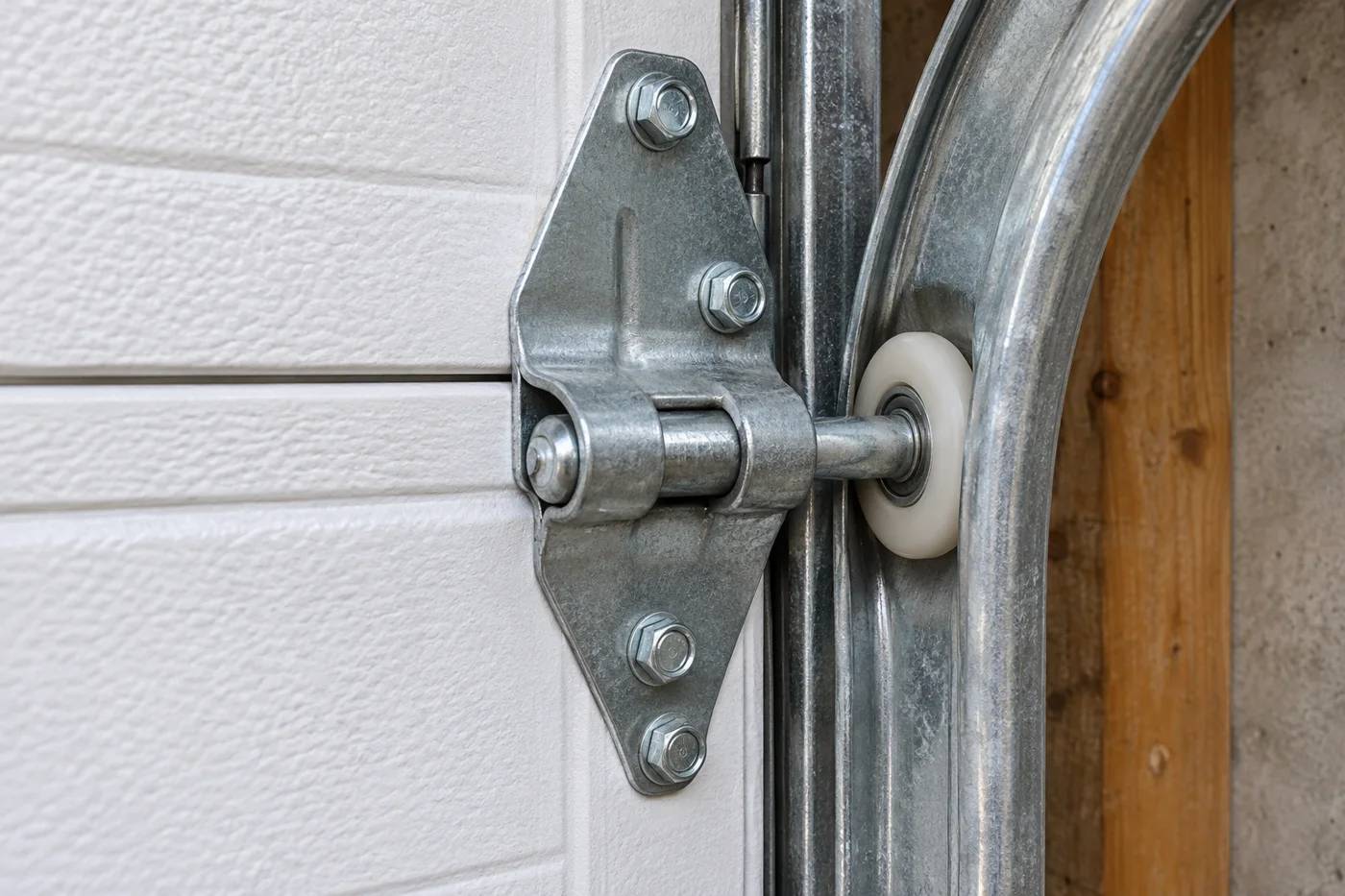
Look at the whole access arrangement
Connected controls can be convenient, but the ordinary entry route still matters. Explain whether the garage has another entrance and how the household uses the wall control or keypad. Discuss the model-specific behavior during power or connection interruptions instead of assuming that every product offers the same backup functions.
Keep the instructions for adding or removing remotes and changing entry credentials. If an old operator is removed, ask about the access devices associated with it. Product selection and account setup should be made for the actual unit, with private codes kept out of general website messages.
Include a usable handover
Ask how the controls, manual release and applicable safety functions will be demonstrated. Follow the exact equipment instructions; do not change force settings or bypass a reversing response to make the door complete a cycle.
Call to discuss the operator and door together. If a new door is also planned, coordinate both rather than selecting a motor in isolation. Scope and appointment timing are confirmed through the service conversation.
Further reading
Follow the instructions for your exact door and operator. This guide supports recognition and planning; work on loaded lifting hardware belongs with a trained door-systems technician.
DASMA: Garage door system safety ↗U.S. CPSC: Automatic garage door opener safety ↗