
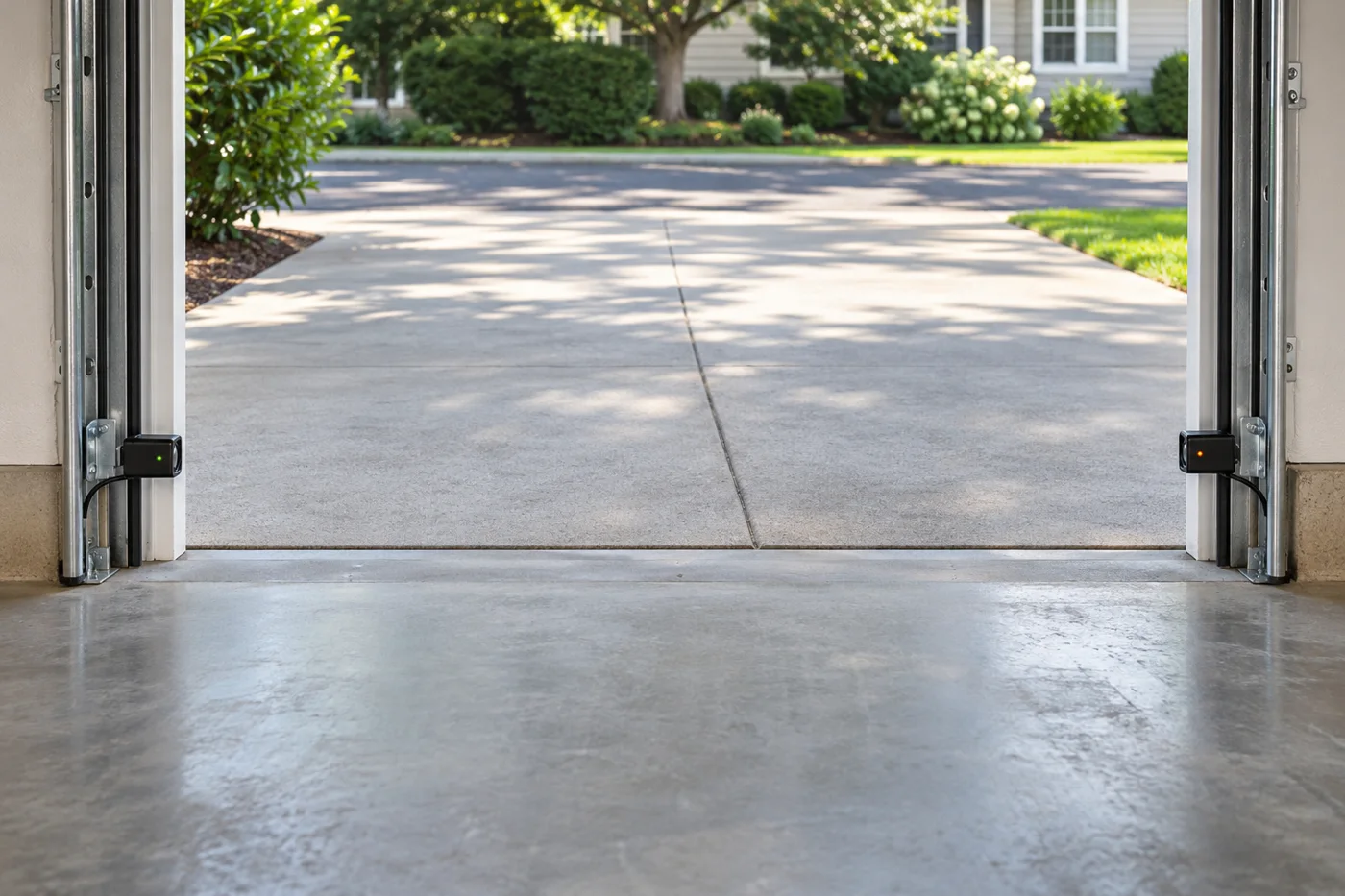
Need service? Explore the related service or call to discuss your garage.
Describe the sequence before guessing the repair
A useful South Jersey repair call starts with what happened in order. Did a remote stop responding, did the door reverse near the floor, or did a bang leave the assembly uneven? Those are different observations. Say whether the problem affects the wall control as well as the remote and whether the door can remain closed.
For a leaning door or loose lifting cable, stop operation and keep people clear. Do not test the weight, pull a release on a raised unstable door or keep cycling the motor. The first call can begin with the information you already have.
Read the scope as a set of findings
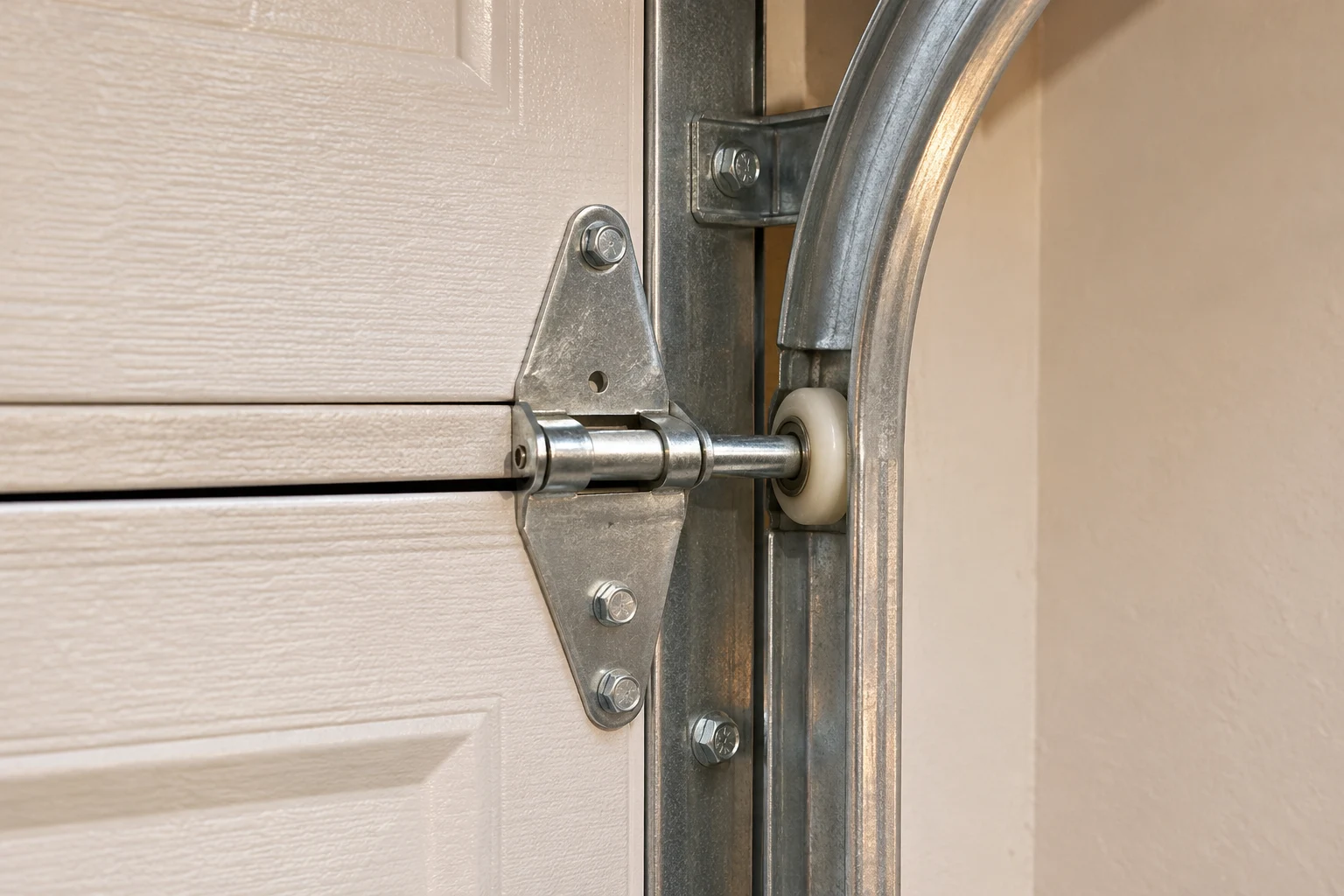
A repair proposal should identify the fault and explain why the work addresses it. Ask what is required, what is related wear and what is optional. A new remote, an operator change and a spring repair should be distinct decisions rather than an unexplained bundle.
Panel compatibility can also matter. A damaged section that resembles another product is not automatically interchangeable. The door profile, hardware and the rest of the assembly need consideration before a section-only repair is chosen.
| In the proposal | Useful question |
|---|---|
| Primary fault | What finding explains the symptom? |
| Additional components | Are these needed for this repair? |
| Optional changes | Can these be considered separately? |
| Final checks | How will movement and safety operation be checked? |
Explain the property conditions early
A driveway filled with cars, storage close to the tracks or a low ceiling can affect access. Across the covered Camden and Burlington County towns, the actual garage layout matters more than a broad description of the neighborhood. Tell us whether the opening is attached to the house and whether another entrance exists.
If the symptom follows rain, strong sunlight or a weather change, mention the pattern without assuming the cause. Moisture around the threshold and an electrical control problem may need different assessment. Keeping them distinct helps the conversation stay useful.
Keep security and operating concerns distinct
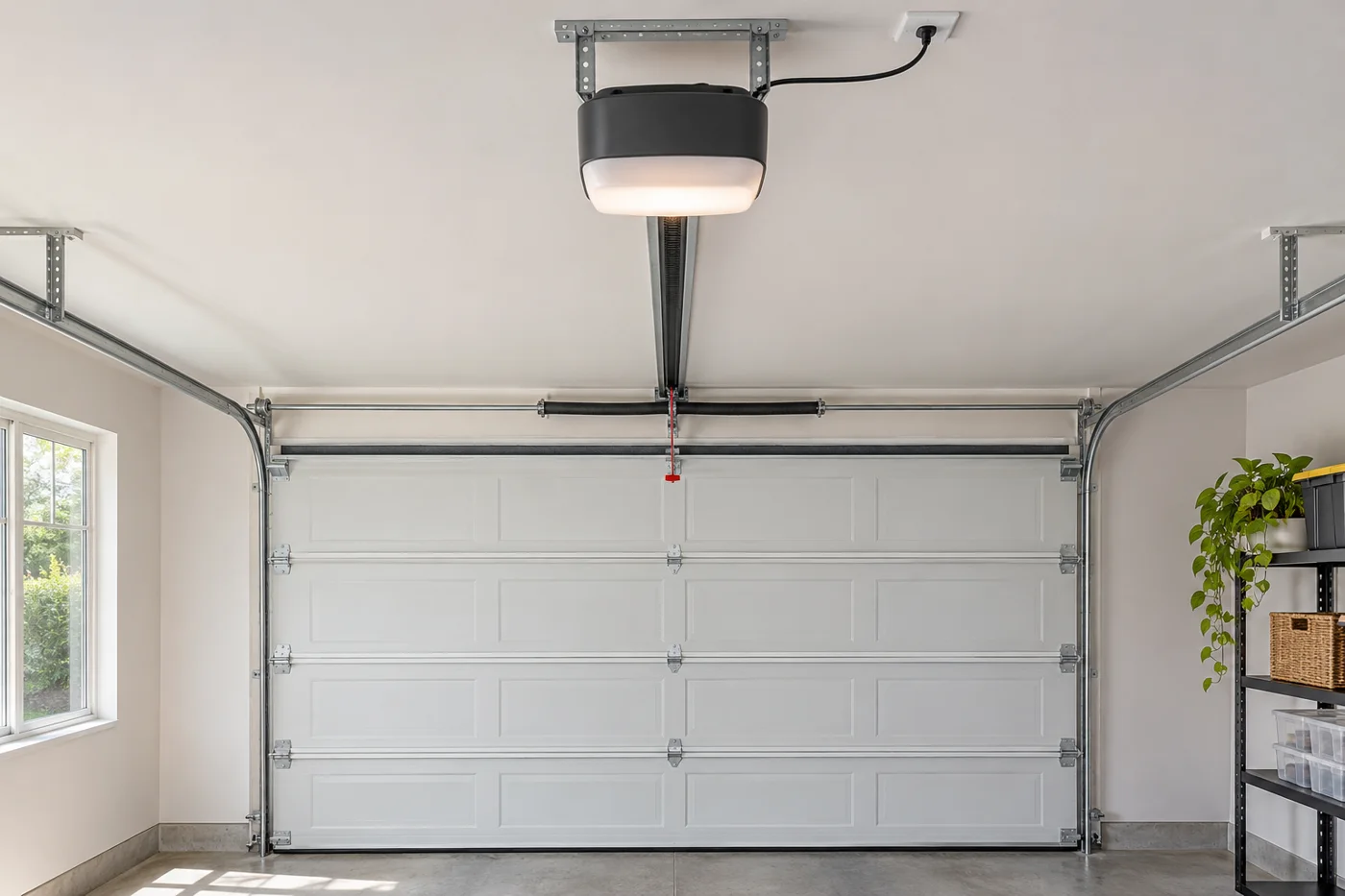
A door left open may affect how the property can be secured, while a closed stuck door may trap a vehicle. Explain which situation applies so the practical access question is understood. Do not try to solve the security concern by forcing or bracing damaged lifting equipment. Describe the condition and ask about the appropriate next step.
If someone has already attempted an adjustment, mention it. A changed setting, loosened fixture or disconnected operator can affect what is found. There is no need to reconstruct a technical diagnosis on the phone; an honest history of the sequence is more useful.
Choose the next page by the problem
For a suddenly heavy door, the spring page explains why the lifting system comes before operator power. For a control-only issue, read the opener guidance. If impact damage or several deteriorated sections are involved, discuss repair and replacement as alternatives after the condition is assessed.
Call 24/7 with the address and door position. Service suitability and appointment timing are confirmed by phone, and the inspection establishes the specific repair. For other addresses, please call us to confirm availability.
Further reading
Follow the instructions for your exact door and operator. This guide supports recognition and planning; work on loaded lifting hardware belongs with a trained door-systems technician.
DASMA: Garage door system safety ↗U.S. CPSC: Automatic garage door opener safety ↗